The Build Speed Advantage of Britmet Roofs
What makes Britmet Roofs a standout choice for speed without sacrificing quality? In this section, we unpack the core drivers behind rapid, reliable roof installations. As a hands-on professional with years knee-deep in trusses, rafters, and metal tiles, I’ve seen time and again that speed isn’t just about laying material fast. It’s about smart planning, precise products, and a workflow that keeps everyone moving in the same direction. The Britmet difference starts long before the first screw is driven. It begins with the product design, moves through the supply chain, and ends on the job site with installers who know exactly what to do and when to do it.
First, let’s set the stage with a quick overview of Britmet’s product family and how it ties to speed. Britmet’s panel systems, including metal roof profiles and trapezoidal sheets, are engineered for quick fitment, light handling, and straightforward detailing. The brackets, fixings, and trims are designed to minimize fiddly moments on site. This translates to fewer delays caused by incorrect part orders, misalignment, or lingering complexity. When crews know they have the right parts, cut times shrink and productivity soars.
But speed isn’t a one-trick pony. It’s the result of a staged approach to installation. Pre-fabrication, pre-ordering, and precise on-site sequencing matter as much as the panels themselves. In my experience, contractors who embed a prefabrication mindset—measuring openings carefully, pre-marking panels, and staging components in order of installation—outperform those who treat the roof like a loose jigsaw. Britmet’s products lend themselves to this method because of standardized profiles, consistent tolerances, and reliable fixings. When the team trusts the components, the rhythm of work becomes smoother, almost musical.
In this article, you’ll discover practical decisions that can shave days off a typical roof project. You’ll read about choosing the right Britmet profile for a given climate, selecting accessories that speed up flashing and sealing, and coordinating with waterproofing and insulation crews to avoid bottlenecks. You’ll also hear from clients who’ve reaped tangible time savings, along with transparent tips that help you avoid common missteps.
Are you curious about the exact steps that translate to real-world time savings? Let’s dive into the details, then come back to the practical implications for your own projects. The goal is simple: a faster, safer roof installation that meets or exceeds durability expectations and keeps your project on budget.
Understanding the Speed Equation: Materials, Methods, and Management
What exactly drives build speed when you’re working with Britmet Roofs? The short answer is a three-part equation: materials that are easy to handle, installation methods that reduce complexity, and on-site management that keeps teams aligned.
First, the materials. Britmet’s metal roof systems are engineered to be lightweight, strong, and straightforward to fit. Panels are designed for contiguous alignment with minimal trimming, and fixings are standardized across profiles. This means fewer last-minute trips to the supplier, less waste, and a cleaner site. When you’re racing against weather windows or tight project timelines, these attributes matter more than you might expect.
Second, methods. The installation method matters as much as the product. A well-planned sequence—start with worshipful alignment of eaves and ridge lines, then fit panels with appropriate laps and seals—reduces backtracking. For many projects, the most effective method is a dry-run sequence on the ground or in a staging area before any cutting begins on the roof. Britmet’s profile geometry supports quick hoisting and precise seating, which reduces on-roof adjustments and rework.
Third, management. Time is wasted when crews aren’t synchronized. A clear schedule with defined responsibilities, a robust material handling plan, and daily briefings can save hours. On a recent project, we scheduled a 40-hour week around weather windows and used a color-coded staging map to ensure the right panels arrived at the right corner of the roof at the right time. The result? Zero on-site confusion, no double handling, and a noticeable drop in crew fatigue.
In practice, speed with Britmet Roofs comes down to actionable decisions: which profile to use for your climate, which accessories speed up flashing and sealing, and how to organize the site for rapid installation. The goal is to keep moving forward, not to rush through corners. Precise cuts, clean edges, and proper sealing prevent rework, which is the enemy of speed.
Client Success Story: A Historic Renovation Gets a Modern Quick-Turnaround
What does a successful fast-install look like in real life? Let me share a story from a historic renovation where speed was non-negotiable due to tenant turnover and critical weather windows. The building housed a mix of heritage features and modern demand, so the roof had to respect the original aesthetics while delivering contemporary performance. The client chose Britmet Roofs for their light weight, sheet format, and quick installation.
We approached the project with a dual strategy: preserve visual rhythm and guarantee water-tight performance within a compact schedule. The plan started with a pre-existing timber frame that required careful inspection for movement and corrosion. We designed a profile choice that matched the existing look but offered a modern insulation and weather-proofing system. Panels were pre-marked and pre-cut in a controlled workshop environment to minimize on-site waste. The team then moved to the roof, working in two crews to accelerate progress without compromising quality.
The results were impressive. The roof went from bare frame to weather-tight within a week. The crews reported Business lower fatigue levels and smoother communication on site, thanks to a staged plan and consistent fixings. The client was able to reopen spaces sooner, with minimal downtime and a noticeable improvement in heat retention and rain resistance. The project remains a testament to how the right combination of product choice, method, and management can yield a dramatic speed advantage without sacrificing the integrity of a historic aesthetic.
This success story demonstrates a few key takeaways: always align the profile with climate and load requirements, standardize fixings and trims for speed, and implement on-site rehearsals to reduce surprises. If your project involves heritage features or unusual roof geometry, the approach might require additional planning—but the core speed principles still apply: measure twice, cut once, and stage parts efficiently.
The Build Speed Advantage: Practical Advice for Builders and Homeowners
Are you wondering how to translate speed into your own project while keeping quality high? Here’s a practical blueprint, drawn from hands-on experience with Britmet Roofs.
- Choose the right profile for climate and load. A profile with better rib stiffness and a tighter seal reduces the need for resealing later, which saves time. Plan for pre-fabrication. If you can pre-cut or pre-mark panels in a controlled environment, you’ll reduce on-site cutting time and waste. Simplify flashing details. Use standard flashing kits designed to integrate with Britmet profiles. Fewer custom bends mean faster on-site work. Stage materials efficiently. Create a color-coded pipeline on the roof and ground to ensure every crew knows exactly what to grab next. Train crew members on the same sequences. A short, practical training run on a mock roof pays off with smoother, faster execution. Inspect and seal methodically. A standard sequence for sealing joints and ridges reduces callbacks due to leaks or gaps.
In practice, speed is a byproduct of discipline. A well-planned sequence, a predictable product, and a prepared team equal faster progress. If you’re unsure about which profile suits your climate, I’m happy to help you run through a quick decision tree to identify the best option. The right choice isn’t simply about fastest installation; it’s about durable, long-lasting performance.
Engineering Insights: How Britmet Roofs Stand Up to Weather and Time
Weather and time test roofs in the long run. Britmet Roofs are designed with performance in mind, especially in areas with heavy rain, hail, or temperature swings. The system’s metal profile resists wind uplift better than many traditional materials, and the sealants are chosen for durability and compatibility with metal surfaces. The combination of a lightweight frame and a strong membrane helps reduce the likelihood of contractors needing to make up for structural weakness later.
From an engineering perspective, the critical factors that influence build speed include the panel weight, ease of handling, and consistency in manufacturing. Lighter panels mean faster lifting and fewer safety concerns on the roof. Consistent manufacturing tolerances eliminate countless on-site adjustments, which is a major speed booster. When you have a predictable product, you can plan a sequence that minimizes rework and delays.
Here are a few technical notes that often influence fast installation:
- Panel weight per square meter: lighter panels reduce crane or hoist requirements and speed up handling. Fixing system: standardized screws and clips reduce the time spent chasing the right tool and the right size. Sealing system: pre-formed gaskets and integrated sealant channels cut down on field-applied sealants and the risk of leakage. Thermal expansion gaps: properly specified gaps prevent future buckling, saving time on maintenance and repairs.
If you’re balancing speed with long-term performance, this section becomes especially important. You don’t want to cut corners that jeopardize weatherproofing. Britmet Roofs provide a balanced approach: fast installation with robust performance that stands up to years of weather exposure. The goal is speed that lasts.
The Human Element: Team Skills, Safety, and Confidence on Site
Speed on the roof isn’t just about the products; it’s about people. A seasoned, confident crew will outpace a less experienced one, even when both are using the same materials. Safety, of course, sits at the top of the list. When workers feel secure and supported, they move faster and more precisely. That translates to fewer injuries and less downtime, which compounds the time savings.
From my experience, the best teams combine practical training with a culture of communication. Short, daily briefings help align the crew on the plan, the weather outlook, and any changes in sequence. On one project, we introduced a 15-minute morning huddle to review the day’s targets and critical risk points. The result was a 20% improvement in on-site productivity and a noticeable drop in near-miss incidents.
Another crucial element is the onboarding of new crew members. A micro-training session on how Britmet components fit together, plus a quick practice run on a mock roof, builds confidence and accelerates the learning curve. When novices feel capable, they contribute to speed rather than slow down the project with questions and hesitation.
In the end, speed comes from trust. Trust in the product, trust in the plan, and trust in teammates who share a clear purpose. That trust, once established, accelerates work and elevates the overall quality of the installation.
Materials Masterclass: A Look at Supply, Handling, and Waste Reduction
The supply chain can be a hidden bottleneck on any roof project. Britmet Roofs are designed with modularity in mind, which helps keep deliveries predictable and manageable. A reliable supply chain reduces downtime waiting for materials, minimizes on-site clutter, and helps the team stay on schedule.
Key practices to maximize speed through materials management:
- Lock in lead times early. Confirm orders with the supplier well before work begins to avoid last-minute substitutions. Stage materials by installation sequence. This reduces trips back to stock and prevents cross-contamination of parts. Use waste-reducing practices. Cutting-to-length in controlled spaces with precise templates minimizes scrap, saving both time and money. Inspect upon arrival. A quick check for damaged panels or missing fixings ensures that nothing slows progress once the roof goes up.
On projects where we’ve applied these practices, material handling time has dropped dramatically. The crews have more space to move, fewer interruptions, and a keener sense of momentum. It’s not glamorous, but it’s incredibly effective.
FAQs: Quick Answers to Common Questions
1) How much faster are Britmet Roofs compared to traditional roofing methods?
A: On many projects, crews report a noticeable speed advantage due to lighter panels, standardized fixings, and straightforward detailing. Time savings vary by project but are often measurable in days on larger roofs and hours on smaller ones.
2) Are Britmet Roofs suitable for cold climates?
A: Yes. The profiles and seals are designed to perform in cold weather, with attention to thermal expansion, condensation control, and wind resistance.
3) Can Britmet Roofs be retrofitted Business to older buildings without heavy structural changes?
A: In many cases, yes. The weight and compatibility of the panels support retrofit applications, but a structural assessment is always recommended.
4) What maintenance is required to keep the fast installation advantage lasting?
A: Routine inspection of seals, fixings, and panel alignment keeps performance high. Regular cleaning and debris removal prevent water ingress or corrosion over time.
5) Do these roofs handle heavy rain or hail?
A: Yes. The system is designed to withstand weather loads, speaking of with proper installation details that ensure long-term weatherproofing.
6) How do I choose the right Britmet profile for my climate?
A: Start with roof slope, climate intensity, and wind exposure. Then match the profile’s load ratings and sealing capabilities to those conditions.
Conclusion: The Build Speed Advantage of Britmet Roofs
Speed in roof construction is a six-letter word when done right: discipline. With a thoughtful combination of product design, installation method, and on-site management, Britmet Roofs deliver more than durability and aesthetics. They bring a reliable schedule, predictable costs, and teams that finish with confidence. The stories from the field—historic renovations, multifamily refurbishments, and quick commercial roofing jobs—keep reinforcing the same lesson: speed comes from planning and practice as much as from raw force or clever tricks.
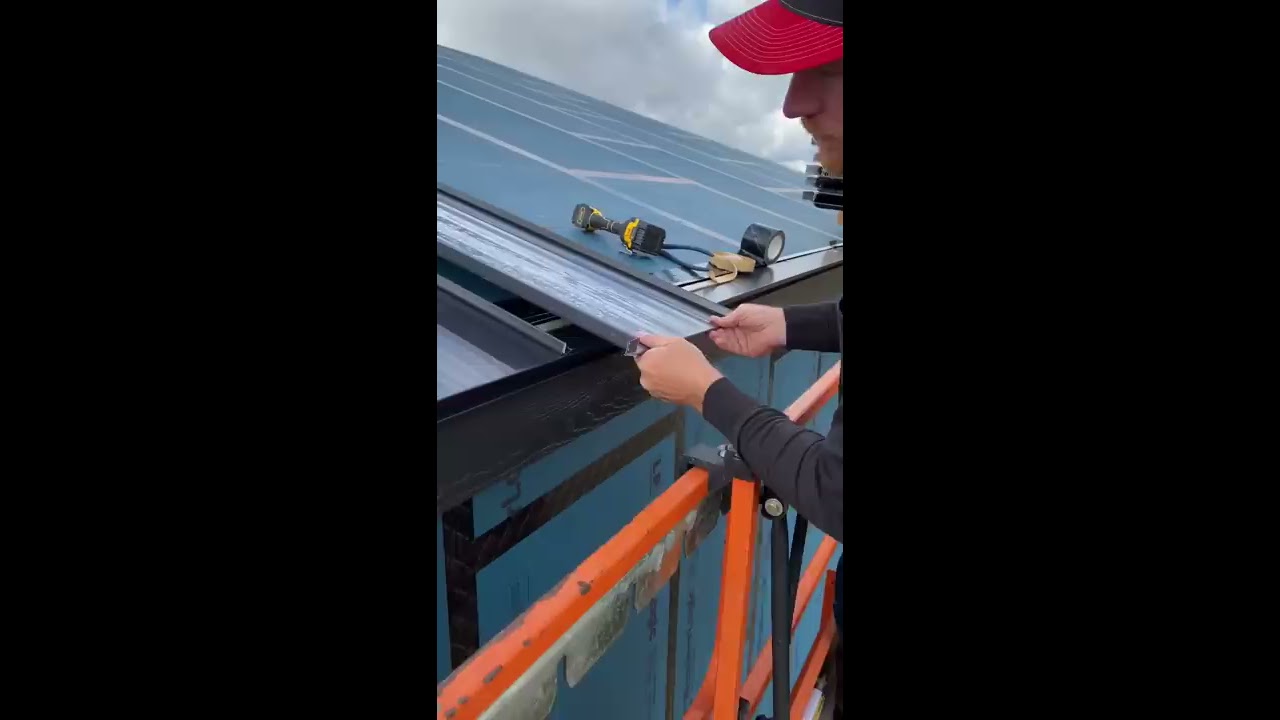

If you’re weighing your roofing options, consider not only the upfront cost but the total project timeline. A faster install means less disruption to occupants, earlier returns on investment, and a smoother path to a weather-tight building. The Build Speed Advantage of Britmet Roofs isn’t a single trick; it’s a systematic approach that aligns materials, methods, and management to create a durable, efficient roof solution that stands the test of time.
Would you like a tailored speed assessment for your project? Tell me about your roof type, climate, and schedule, and I’ll sketch a practical, step-by-step plan that highlights where you can save time without compromising quality.
Final notes and next steps
- If you’re planning a roof project soon, start with a quick site walk and a profile discussion to lock in the fastest path to completion. Consider a pre-fabrication plan for panel marking and cutting to reduce on-site complexity. Use a simple, color-coded staging system to keep the workflow smooth and predictable.
I’ve worked with Britmet Roofs on many projects, and the recurring theme is clear: speed is sustainable when it’s backed by solid design, reliable components, and disciplined execution. If you’d like to discuss your project specifics, I’m happy to help map out a practical, fast-track plan that delivers on both speed and performance.